

CITADEL takes the next steps towards industrial electrification, advancing flexibility and decarbonisation across five industrial sectors
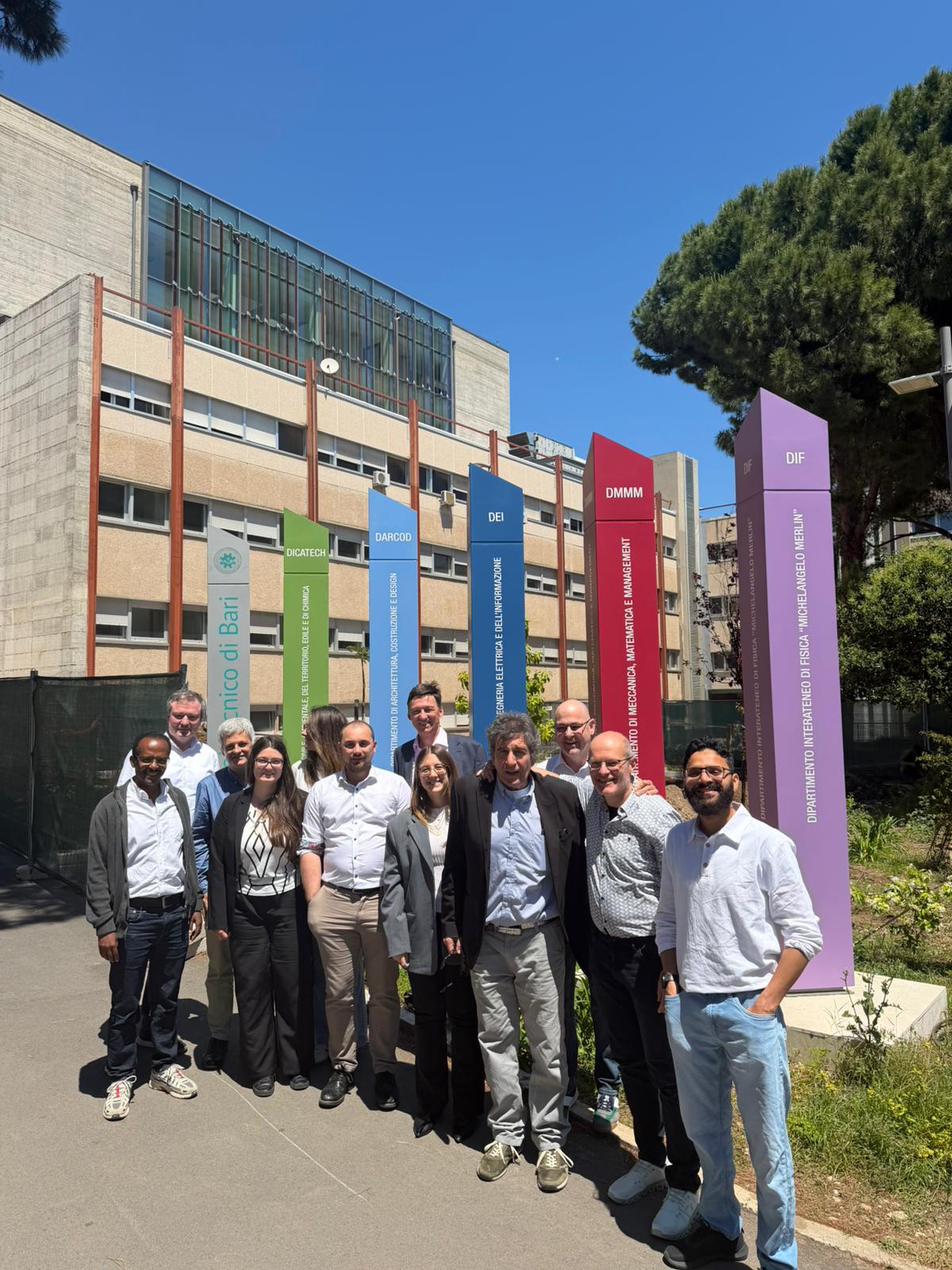
Decarbonising energy-intensive industries is one of Europe’s most complex engineering challenges, and the CITADEL project is tackling it head-on. The project consortium recently gathered in Bari, hosted by the Politecnico di Bari, to review progress across five ambitious industrial demonstration cases and align on the next phase of implementation. IDENER.AI was among the partners at the table, contributing its expertise in energy flexibility assessment and industrial process optimisation to the discussion.
At the heart of CITADEL is a bold proposition: that industries as demanding as steelmaking, glass production, refractory manufacturing, concrete recycling, and copper wire production can transition towards electrified heating solutions without compromising their operational performance. The meeting provided the consortium with a comprehensive picture of where each of these demonstration cases stands, with particular focus on the integration of electrified heating technologies, the operational constraints each process faces, and the flexibility potential each one holds.
IDENER.AI plays a central technical role in CITADEL, leading the work on energy flexibility and exploitation strategy. At the Bari meeting, the IDENER.AI team presented the latest progress on two of the project’s most strategically significant areas: quantifying how industrial processes can adapt their electricity consumption to changes in energy availability, grid requirements, and market signals; and assessing the energy buffering and storage capabilities that make this flexibility possible. These are not theoretical exercises, they are the methodological backbone that will determine whether CITADEL technologies can deliver real, commercial flexibility services to the energy system.
One of the clearest insights to emerge from the meeting was that industrial flexibility is deeply process-specific. The constraints of a glass furnace are fundamentally different from those of a copper wire production line, and each case demands its own tailored assessment. This complexity makes IDENER.AI’s analytical work all the more critical: building the right methodologies to capture that diversity and translate it into viable exploitation strategies.
The meeting also brought together perspectives on Life Cycle Assessment and dissemination, rounding out a comprehensive review that connected technical progress with environmental accountability and long-term impact. A visit to the Politecnico di Bari facilities gave partners a shared reference point for the innovations being developed and tested across the project.
With five demonstration cases advancing in parallel and a clear picture of the priorities for the next phase, CITADEL is steadily building the evidence base to show that electrification and flexibility are not just aspirations for energy-intensive industry, they are achievable, and IDENER.AI is helping to prove it.